



Apartment Renovation Dubai: How to Plan Your Project and Avoid Costly Mistakes
Planning apartment renovation in Dubai? Understand costs, approvals, contractor selection, timelines, and how to avoid common mistakes.

Apartment Renovation Dubai projects require more than choosing new tiles, paint colours, or kitchen cabinets. Before work begins, you need to understand the property’s condition, define the renovation scope, check approval requirements, and agree on the costs and project timeline.
Whether you want to modernise your home, prepare an apartment for rental, or improve an investment property, careful planning can help you avoid unnecessary expenses and delays.
In addition, a successful renovation requires clear communication between you and your contractor. You should understand what work is included, which materials will be used, how the project will progress, and what happens if the requirements change.
First, identify why you want to renovate. Some apartment owners want a fresh interior, while others need to address maintenance issues or improve the property’s functionality.
For example, common apartment renovation requirements include:
Kitchen renovation and cabinet replacement.
Bathroom renovation and sanitary upgrades.
Flooring and wall tiling.
Interior painting and wall repairs.
False ceilings and lighting improvements.
Electrical and plumbing modifications.
Carpentry and storage improvements.
Air conditioning and ventilation work.
Internal partitions and layout changes.
Once you have identified the required improvements, separate essential repairs from optional upgrades. This will help you prioritise the work and manage your renovation budget more effectively.
If your project involves several types of building work, explore our renovation services in Dubai to understand the services available.
Before requesting quotations, take time to understand the property’s current condition.
An apartment may look suitable for a simple cosmetic upgrade. However, a closer inspection could reveal plumbing problems, damaged finishes, electrical issues, or other work that needs attention.
During the inspection, review:
Existing floor and wall finishes.
Kitchen cabinets and worktops.
Bathroom fittings and visible plumbing.
Electrical switches, sockets, and lighting.
Air conditioning performance.
Ceiling condition and visible water stains.
Doors, windows, and built-in storage.
Signs of moisture or previous repairs.
If you discover a technical issue, arrange an appropriate professional assessment before deciding on the renovation scope. This way, you can identify potential problems before they affect the project budget.
Not every apartment needs a complete renovation. In many cases, upgrading selected rooms can achieve the improvements you want without changing the entire property.
Partial apartment renovation
For example, partial renovation may include painting, replacing flooring, upgrading kitchen cabinets, or renovating a bathroom.
Full apartment renovation
On the other hand, a larger renovation may involve several rooms, multiple building services, new finishes, and more extensive coordination.
Ultimately, the right option depends on the property’s condition, your objectives, available budget, and approval requirements.
Before making a decision, compare the work involved in each option. A full renovation does not automatically provide better value than a carefully planned partial upgrade.
There is no single renovation price that applies to every apartment. Instead, the final cost depends on the property’s size, existing condition, selected materials, and amount of work required.
For a clearer understanding, consider these important cost factors:
Apartment size and number of rooms.
Kitchen and bathroom renovation requirements.
Flooring and tiling materials.
Painting and ceiling finishes.
Electrical and plumbing modifications.
Air conditioning and ventilation work.
Carpentry and built-in furniture.
Demolition and waste removal.
Material delivery and installation.
Site access and building restrictions.
Required drawings, submissions, and approvals.
Additionally, some properties may require more preparation or repair work than others. Therefore, a proper inspection is important before confirming the renovation budget.
For a more useful quotation, provide the contractor with apartment details, photographs, available drawings, and a clear description of the improvements you want.
One of the most important steps is understanding exactly what the contractor has included in the price.
A quotation that only shows a total amount does not provide enough information about the proposed work. Instead, request a detailed breakdown covering:
Demolition and removal.
Materials and product specifications.
Labour and installation.
Electrical and plumbing work.
Flooring and tiling.
Painting and finishing.
Air conditioning work, where applicable.
Transportation and waste removal.
Project exclusions.
Additional work and variation procedures.
Also, check whether VAT and applicable approval-related costs are included or listed separately.
When comparing quotations, make sure each contractor is pricing the same scope and specifications. Otherwise, a lower price may simply mean that important work or materials have been excluded.
For more guidance, read our article on how to choose the right building contracting company in Dubai.
Material selection can affect both the appearance and cost of your renovation. For example, two quotations may include porcelain flooring, but the tile specifications, sizes, finishes, and brands may differ.
Before approving the quotation, confirm:
Product names and specifications.
Material brands, where specified.
Tile sizes and finishes.
Paint products and colours.
Sanitary fittings and accessories.
Cabinet materials and hardware.
Lighting and electrical fittings.
Any approved alternatives.
Furthermore, keep the agreed material details in writing. This gives you and the contractor a clear reference during purchasing and installation.
Apartment renovations in Dubai may involve requirements from building management, property developers, community management, or relevant authorities.
However, the requirements depend on the proposed work and the property’s location.
Before starting, confirm whether you need:
Building management permission.
Renovation or fit-out submissions.
Updated layout or technical drawings.
Contractor documentation.
Work permits or access arrangements.
Approval for changes to electrical or plumbing services.
Additional approvals for structural or other regulated alterations.
Importantly, approval for one type of renovation does not automatically cover other work.
For example, changing wall finishes may involve different requirements from modifying a layout or altering building services.
Therefore, ask who will prepare the required documents, who will submit them, and which party will handle any associated fees.
Some renovation ideas may affect the building’s structure, shared services, or safety arrangements. For this reason, check whether the proposed changes are permitted before starting work.
In particular:
Do not remove or modify structural elements without the necessary technical assessment and approvals.
Confirm the permitted locations for plumbing changes.
Review electrical requirements before adding new circuits or equipment.
Check restrictions on work affecting shared building services.
Confirm the requirements for waste removal and material delivery.
By checking these details before demolition, you can reduce the risk of costly changes after work has started.
For projects involving more extensive building modifications, you can also explore our civil and structural works in Dubai.
Your contractor should understand the type of work your apartment requires.
For projects involving several trades, it is especially important to understand how the contractor will coordinate the different activities. Therefore, check whether the company can manage the relevant work or clearly explain how specialist services will be handled.
Review the following:
Relevant trade licence and business details.
Building contracting and renovation capabilities.
Experience with the type of work involved.
Electrical, plumbing, and HVAC coordination.
Material specifications and workmanship requirements.
Project supervision and communication arrangements.
Ability to coordinate applicable approvals.
Additionally, confirm that the contractor understands and can work within the building’s requirements.
Once you have selected a contractor, make sure the agreement explains each party’s responsibilities.
Before signing, check that the contract covers:
The complete renovation scope.
Materials and agreed specifications.
Project price and payment schedule.
Estimated project duration.
Responsibilities for approvals.
Work exclusions.
Procedures for additional work.
Inspection and snagging arrangements.
Applicable warranty and defect responsibilities.
Most importantly, avoid relying on verbal promises about important project details. Instead, make sure all agreed requirements and changes appear in writing.
Payment arrangements also deserve careful attention.
Before work begins, discuss the payment schedule and make sure it corresponds with clearly defined project stages or deliverables.
For example, the agreement may identify payments associated with mobilisation, completion of specified work stages, and final handover.
Before making a progress payment, confirm that the relevant work has been completed in accordance with the agreed terms.
Additionally, agree on how extra work will be priced and approved. This makes it easier to track changes to the original renovation budget.
The renovation timeline depends on the amount of work, property condition, material availability, building access, and approval requirements.
For example, a project involving painting and flooring may have a different schedule from a full apartment renovation that includes kitchen, bathroom, electrical, plumbing, and ceiling work.
Other factors that may affect the duration include:
Approval and submission requirements.
Demolition and removal.
Material ordering and delivery.
Availability of specialist trades.
Electrical and plumbing modifications.
Coordination between different activities.
Inspections and required corrections.
Final cleaning and handover.
Therefore, ask the contractor for an estimated schedule that identifies the main stages. In addition, agree on how progress updates and possible delays will be communicated.
Beginning renovation work before checking the building’s requirements can create avoidable problems. Consequently, confirm the applicable permissions and documentation before scheduling the work.
A low quotation may leave out important activities, use different materials, or exclude costs that you expected to be included.
Instead, compare the full scope, material specifications, payment terms, and exclusions before making your decision.
Last-minute material changes can affect both the budget and schedule. Therefore, finalise important selections before purchasing and installation wherever possible.
If you need to make a change, request a written explanation of the additional cost and timeline impact before approving it.
Poor communication can leave you uncertain about progress, material decisions, and outstanding work.
To avoid this, agree on a communication process before construction begins. Establish who your main contact will be and how you will receive updates about important decisions and project developments.
Finally, do not treat the return of the keys as the only sign that the renovation is complete.
Instead, inspect the finished work, test accessible installations, and record outstanding defects.
Depending on the renovation scope, review:
Flooring and tile finishes.
Painting and wall surfaces.
Doors, cabinets, and carpentry.
Electrical switches and lighting.
Plumbing fixtures and drainage.
Air conditioning operation.
Ceiling finishes and access panels.
Completion of agreed work.
Relevant manuals and warranty documents.
Once the inspection is complete, record any outstanding items and agree on the next steps before closing the project.
For additional guidance, see our construction handover checklist for the UAE.
Belresheed Building Contracting has been operating since 2004, providing construction and related building services in Dubai and Sharjah.
Our services include building contracting, renovation, civil and structural works, HVAC, electromechanical installations, plumbing and sanitary installation, flooring and tiling, painting, carpentry, false ceilings, and light partitions.
In addition, these capabilities cover several of the activities commonly involved in apartment improvement and renovation projects.
If you are planning to upgrade your apartment, discuss your requirements with our team. We can understand the work involved and help you identify the relevant construction services for your project.
Planning an apartment renovation in Dubai? Contact Belresheed Building Contracting to discuss your renovation requirements.
Planning apartment renovation in Dubai? Understand costs, approvals, contractor selection, timelines, and how to avoid common mistakes.
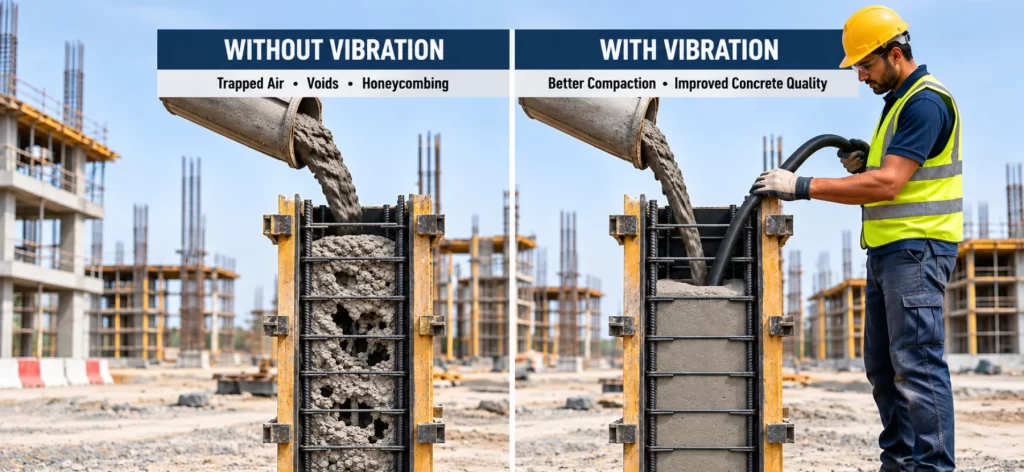
Discover how concrete vibration removes trapped air, reduces honeycombing, and supports better concrete compaction on construction sites.
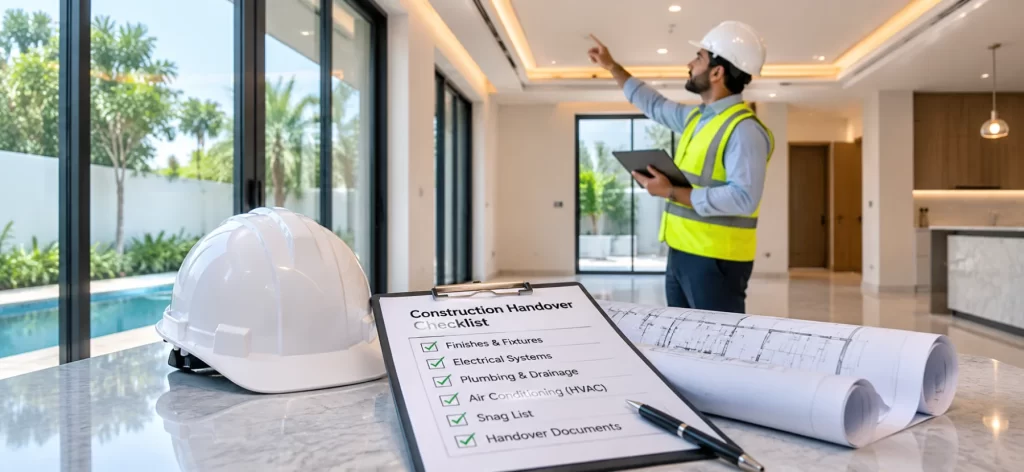
A construction handover checklist helps UAE property owners inspect finishes, test building systems, record defects, and review important documents before accepting a completed project.